Posted At: Nov 26, 2025 - 1,134 Views
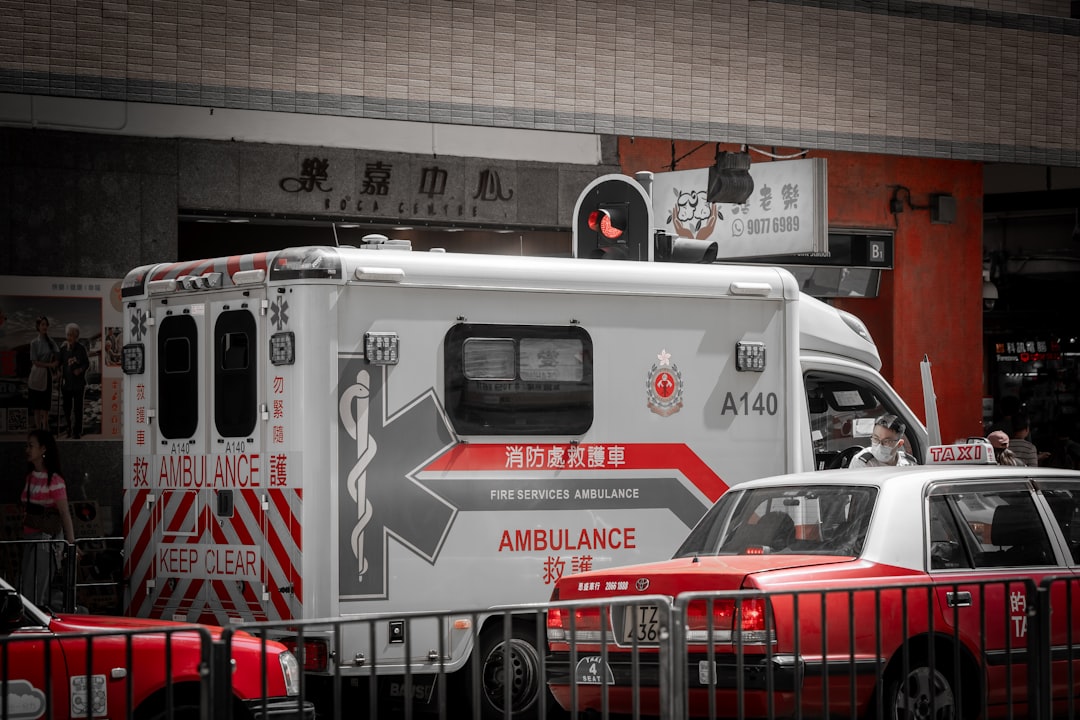
Educational institutions have a profound responsibility: ensuring the safety and well-being of students and staff. At Talon Afya, we partner with schools across Nairobi County to build comprehensive emergency response systems that save lives.
Why School Emergency Preparedness Matters
Schools are dynamic environments where accidents can happen. From playground injuries to medical emergencies like asthma attacks or allergic reactions, being prepared isn't optional – it's essential. A well-prepared school can respond effectively, minimize harm, and provide peace of mind to parents and staff.
Key Components of School Emergency Preparedness
1. Emergency Response Plan
Every school needs a written, practiced emergency response plan that covers:
- Medical emergencies (injuries, sudden illness, allergic reactions)
- Fire and evacuation procedures
- Natural disasters
- Security threats
- Communication protocols with parents and emergency services
2. Trained Staff
At minimum, schools should have:
- Multiple staff members trained in first aid and CPR
- Designated first aiders on each floor or building
- Regular refresher training (at least annually)
- Clear identification of trained personnel
Talon Afya provides specialized first aid training for educational institutions, tailored to common school scenarios.
3. Well-Stocked First Aid Stations
Strategic placement of first aid kits is crucial. We recommend:
- Main first aid room with comprehensive supplies
- Portable kits in each classroom
- Sports field emergency kit
- School bus/transport emergency kit
- Regular inventory checks and restocking
4. Medical Information System
Maintain up-to-date medical information for all students:
- Known allergies and medical conditions
- Emergency contact information
- Medication requirements
- Parental consent for emergency treatment
- Secure, accessible storage of this information
5. Partnership with Emergency Services
Establish a relationship with a reliable emergency medical service provider. Talon Afya offers schools:
- Priority emergency response
- On-site medical support for events
- Regular safety audits
- Staff training programs
- Customized emergency response plans
Common School Medical Emergencies
Playground Injuries
Falls, sprains, and fractures are common. Staff should know how to assess injuries, provide initial care, and determine when professional medical help is needed.
Asthma Attacks
With asthma affecting many children, schools must have protocols for managing attacks, including proper inhaler use and knowing when to call for emergency help.
Allergic Reactions
Severe allergies require immediate action. Staff should be trained in recognizing anaphylaxis and administering epinephrine when prescribed.
Heat-Related Illness
During sports and outdoor activities, heat exhaustion and heat stroke are risks. Proper hydration, rest periods, and recognition of symptoms are essential.
Regular Drills and Practice
Emergency preparedness isn't just about having plans – it's about practicing them. Conduct regular drills for:
- Fire evacuation
- Medical emergency response
- Lockdown procedures
- Communication systems
Communication is Critical
In an emergency, clear communication can save lives. Establish:
- Internal communication system (radios, intercoms)
- Protocol for contacting emergency services
- Parent notification procedures
- Media communication guidelines
Talon Afya School Partnership Program
We offer comprehensive support for educational institutions:
- Emergency Response Services: 24/7 priority ambulance service
- On-Site Medical Support: Paramedics for sports days and events
- Staff Training: Certified first aid and CPR courses
- Safety Audits: Professional assessment of your emergency preparedness
- Equipment Supply: Quality first aid kits and medical supplies
- Emergency Planning: Help developing customized response plans
Legal and Regulatory Compliance
Schools must comply with health and safety regulations. Our team can help ensure your institution meets all requirements while implementing best practices that go beyond minimum standards.
Creating a Culture of Safety
Emergency preparedness should be woven into school culture. This includes:
- Age-appropriate safety education for students
- Regular safety communications with parents
- Visible commitment from school leadership
- Continuous improvement based on drills and incidents
Get Started Today
Don't wait for an emergency to expose gaps in your preparedness. Contact Talon Afya today to schedule a safety audit and learn about our school partnership programs.
Call 0757650951 or email info@talonafya.org
Together, we can create safer learning environments where students thrive and parents have peace of mind.
Talon Afya – Kenya's leading and affordable ambulance service provider. Trusted by over 50 educational institutions across Nairobi County.